Doctor blade manufacturing is at the heart of RSD Print India. Explore precision blades for flexographic and gravure printing, supported by a comprehensive range of printing and converting solutions.
Manufactured by RSD Print India for precise ink metering. Explore our doctor blades and discuss the right material, dimensions and edge profile for your press.
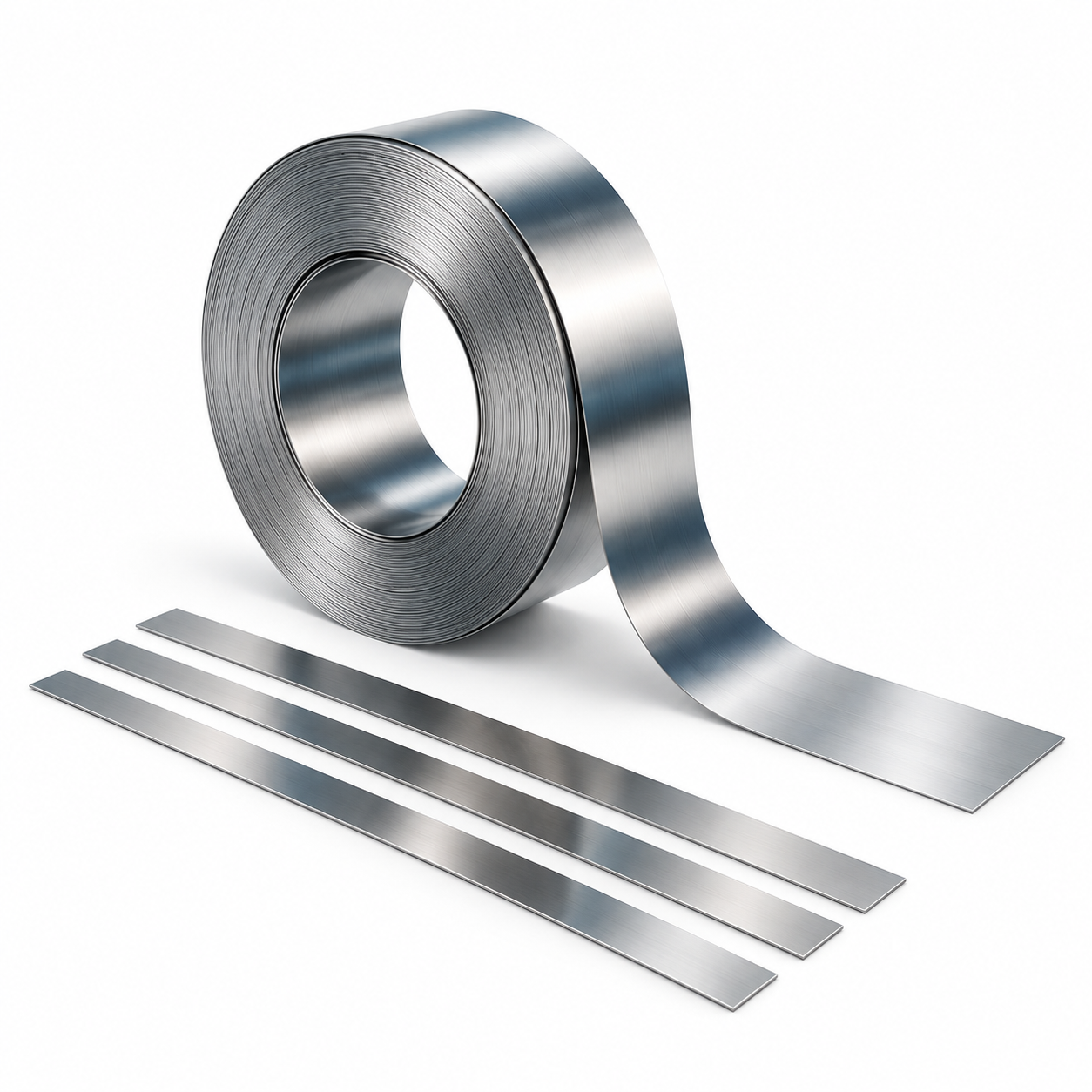
Precise ink metering starts at the blade edge. Steel doctor blades remove surplus ink from gravure cylinders and flexographic anilox rollers, allowing the engraved surface to deliver ink to the print. They are a practical choice for production teams seeking controlled doctoring across compatible printing and coating processes. Blade width, thickness, edge profile and steel grade must be selected together with the press, holder and ink system. Share your current blade specification so we can discuss an appropriate replacement for your application.
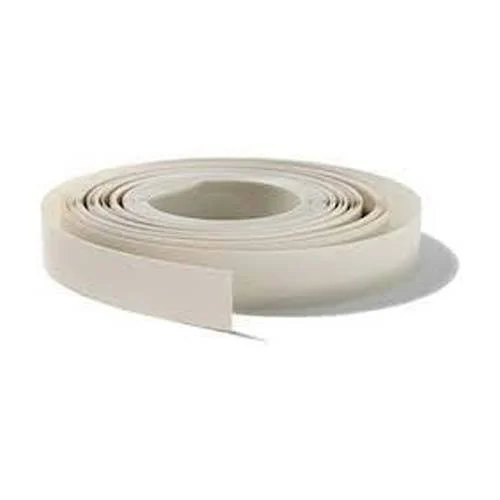
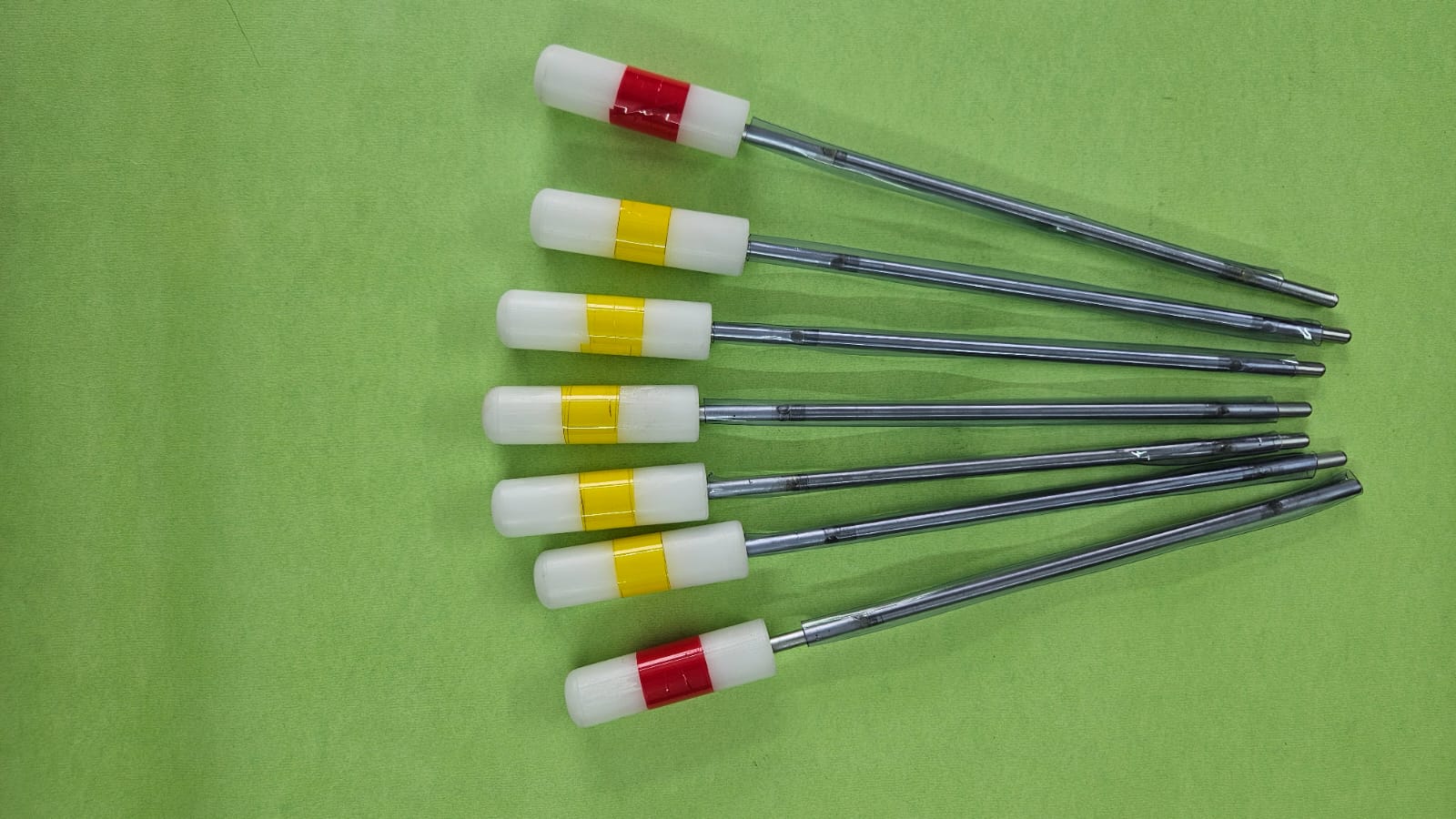
Polymer doctor blades offer a non-metallic option for selected flexographic metering and chamber-containment duties. Their suitability depends on the polymer formulation, blade stiffness, edge design and operating speed, as well as the anilox and ink system. Different chamber positions may require different blade characteristics. We help define the requirement around your existing chamber and application, so the supplied blade can be checked for the intended duty before use. Confirm the material and profile against the equipment manufacturer’s recommendations.
Bar coaters create drawdown samples for comparing inks, coatings, varnishes and adhesives on selected substrates. A coating bar is drawn across the sample to spread the liquid into a film, supporting visual evaluation and formulation work. The resulting film depends on the bar specification, liquid properties, substrate and application technique. These tools are useful for laboratory trials and controlled comparisons before production. Specify the working width, coating material and intended wet-film requirement so a suitable bar can be discussed.
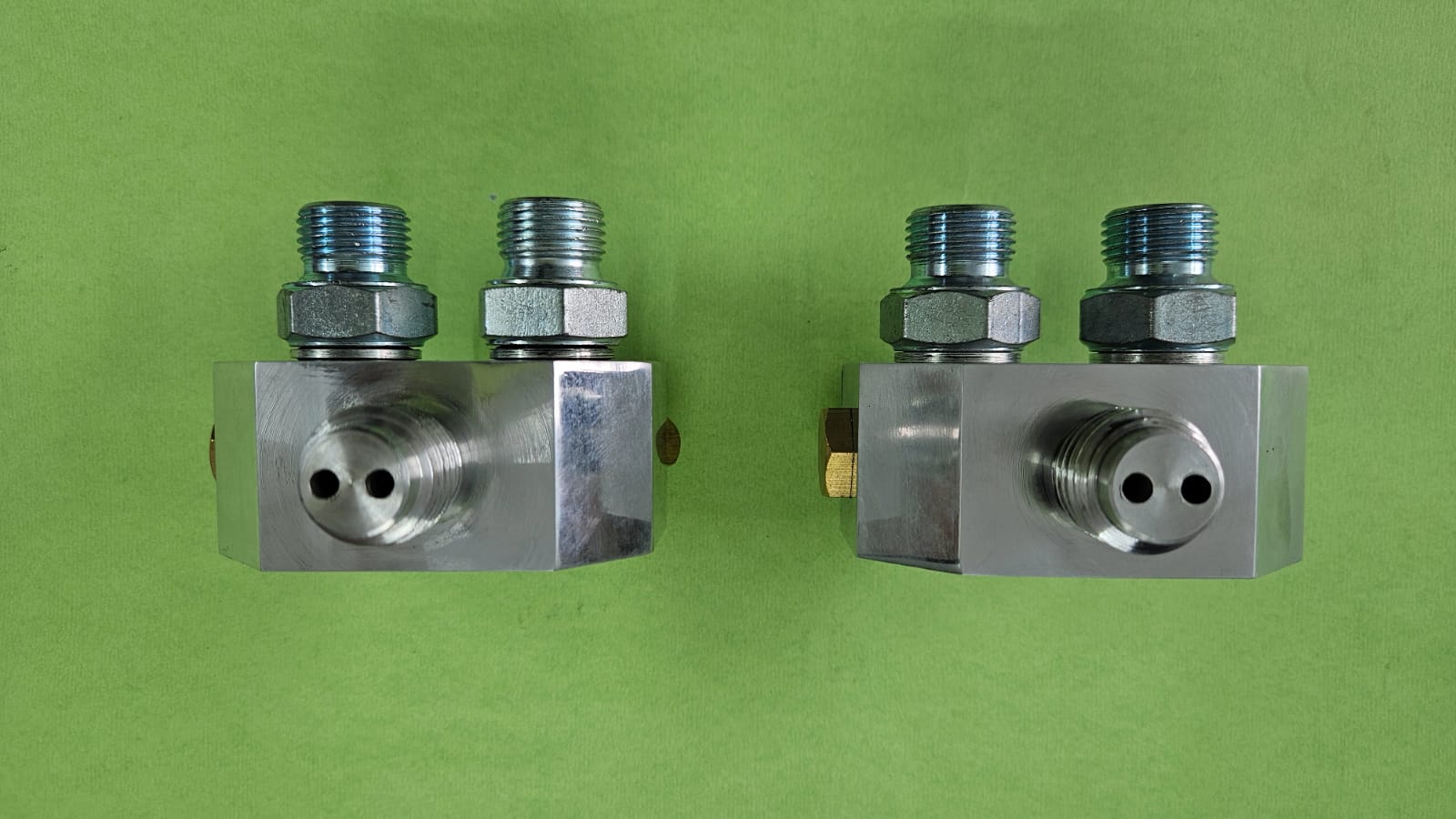
Mixer heads connect the adhesive component feeds to the mixing arrangement in compatible solventless lamination equipment. Their passages and connections direct the two components towards the static mixer before application. A correct fit is essential to maintaining the intended flow path and sealing arrangement. Head geometry, hose connections, mounting dimensions and the adhesive system must all be considered when sourcing a replacement. Provide the laminator model and existing head details so the assembly can be reviewed against your machine.
Mixer nozzles form part of the adhesive delivery assembly and accommodate the static mixer in compatible lamination systems. They connect to the mixer head and guide the mixed material towards the application point. A replacement must match the thread, internal bore, effective length and sealing arrangement of the existing assembly. The selected material also needs to be compatible with the adhesive and cleaning procedure. Supply the machine model and a drawing or sample reference to define the correct fit.
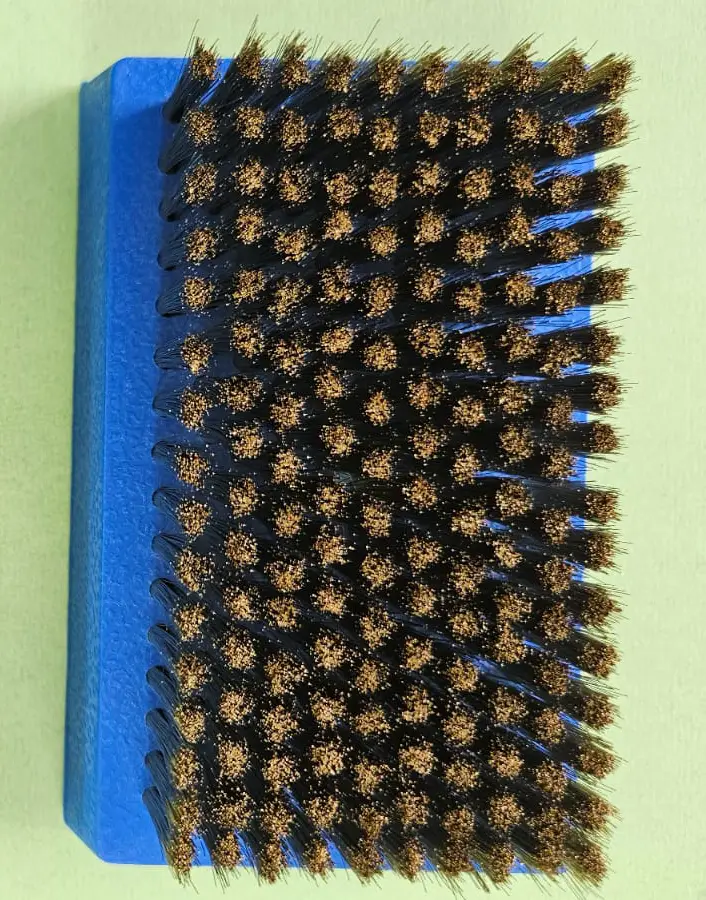
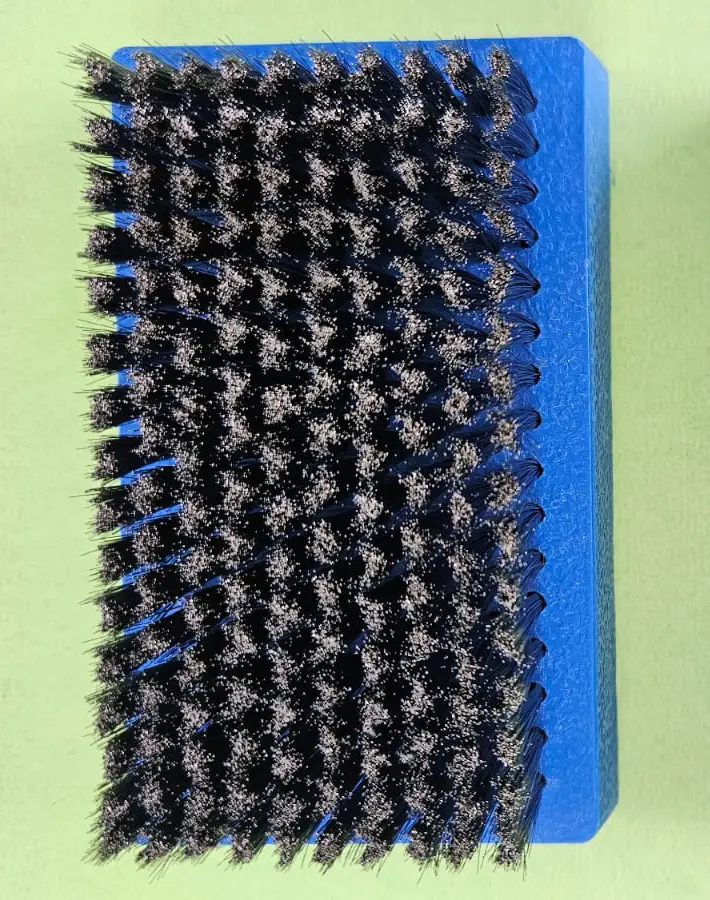
Brass brushes are used for cleaning selected gravure cylinders and compatible pressroom parts where a brass-bristle tool is specified. The brush helps loosen deposits as part of an appropriate maintenance process, but suitability depends on the surface finish and the cleaning chemistry. Brass should not be assumed safe for every roller or coating. Match the bristle type and brush dimensions to the task, and follow the equipment manufacturer’s instructions for pressure, cleaner selection and handling.
Precise ink metering starts at the blade edge. Steel doctor blades remove surplus ink from gravure cylinders and flexographic anilox rollers, allowing the engraved surface to deliver ink to the print. They are a practical choice for production teams seeking controlled doctoring across compatible printing and coating processes. Blade width, thickness, edge profile and steel grade must be selected together with the press, holder and ink system. Share your current blade specification so we can discuss an appropriate replacement for your application.
Polymer doctor blades offer a non-metallic option for selected flexographic metering and chamber-containment duties. Their suitability depends on the polymer formulation, blade stiffness, edge design and operating speed, as well as the anilox and ink system. Different chamber positions may require different blade characteristics. We help define the requirement around your existing chamber and application, so the supplied blade can be checked for the intended duty before use. Confirm the material and profile against the equipment manufacturer’s recommendations.
Bar coaters create drawdown samples for comparing inks, coatings, varnishes and adhesives on selected substrates. A coating bar is drawn across the sample to spread the liquid into a film, supporting visual evaluation and formulation work. The resulting film depends on the bar specification, liquid properties, substrate and application technique. These tools are useful for laboratory trials and controlled comparisons before production. Specify the working width, coating material and intended wet-film requirement so a suitable bar can be discussed.
Mixer heads connect the adhesive component feeds to the mixing arrangement in compatible solventless lamination equipment. Their passages and connections direct the two components towards the static mixer before application. A correct fit is essential to maintaining the intended flow path and sealing arrangement. Head geometry, hose connections, mounting dimensions and the adhesive system must all be considered when sourcing a replacement. Provide the laminator model and existing head details so the assembly can be reviewed against your machine.
Mixer nozzles form part of the adhesive delivery assembly and accommodate the static mixer in compatible lamination systems. They connect to the mixer head and guide the mixed material towards the application point. A replacement must match the thread, internal bore, effective length and sealing arrangement of the existing assembly. The selected material also needs to be compatible with the adhesive and cleaning procedure. Supply the machine model and a drawing or sample reference to define the correct fit.
Brass brushes are used for cleaning selected gravure cylinders and compatible pressroom parts where a brass-bristle tool is specified. The brush helps loosen deposits as part of an appropriate maintenance process, but suitability depends on the surface finish and the cleaning chemistry. Brass should not be assumed safe for every roller or coating. Match the bristle type and brush dimensions to the task, and follow the equipment manufacturer’s instructions for pressure, cleaner selection and handling.
Stainless steel doctor blades combine ink-metering performance with corrosion resistance for compatible printing and coating environments. They are especially worth considering where the working chemistry makes material selection a priority. The blade wipes excess ink from the cylinder or anilox surface while the selected edge geometry governs its contact with the roller. Choosing the correct grade, dimensions and profile is essential: stainless steel is not a universal substitute for every blade material. Our quotation starts with your press and operating conditions.
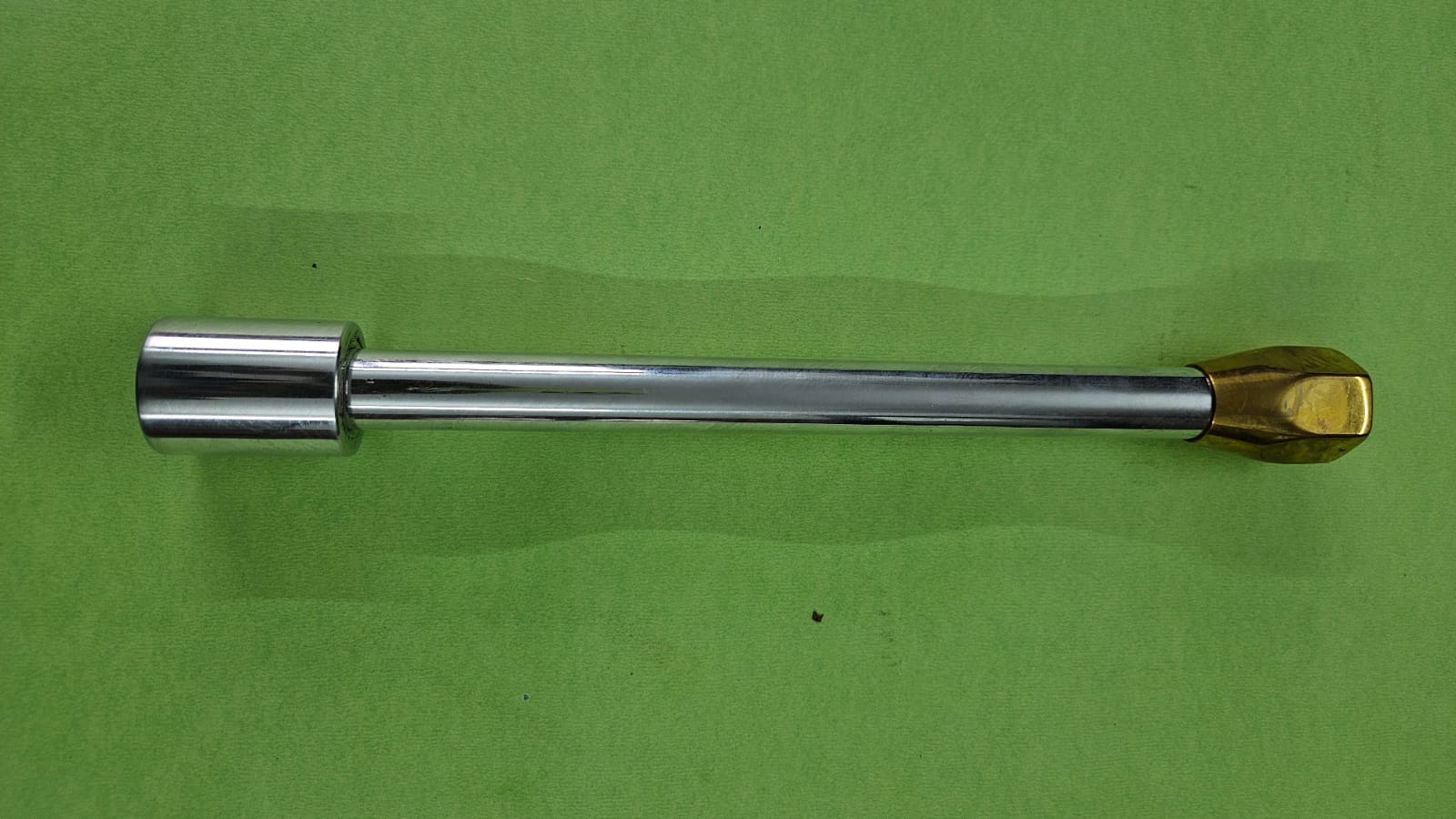
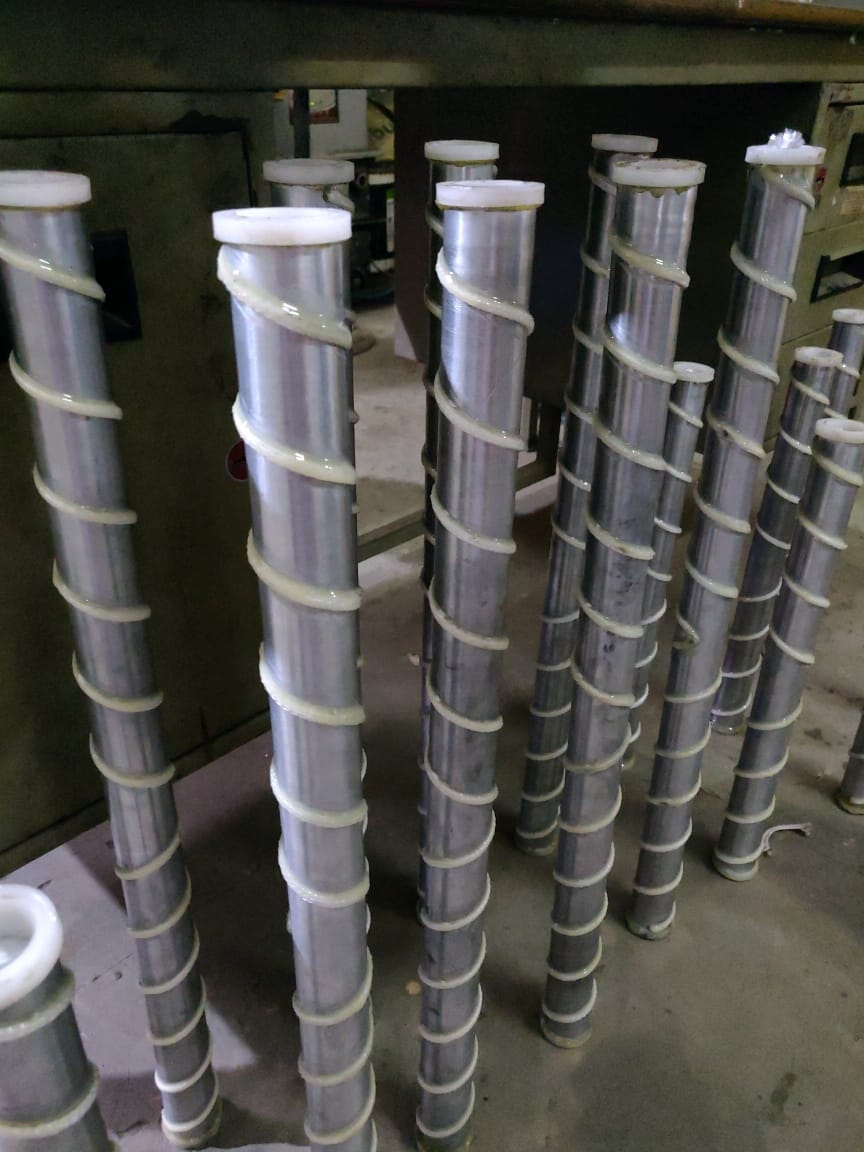
Magnetic ink mixing rollers encourage circulation in compatible ink trays as the press operates. The roller arrangement helps move ink through the tray without a separate electric mixing motor in suitable installations. This makes it a practical component to consider when reviewing ink circulation around a gravure or related printing process. Tray dimensions, roller construction, ink chemistry and the surrounding machine geometry determine compatibility. Share the tray layout and current roller dimensions so the configuration can be matched to your press.
PTFE dam stoppers help contain liquid within the intended working area of compatible coating assemblies. Their shape and seating arrangement are important to forming a suitable barrier at the edge of the application zone. These components should be selected from the machine’s actual geometry and operating conditions. PTFE compatibility must also be checked against the coating chemistry and temperature. Send a drawing, photographs or a sample reference together with the critical dimensions to help identify the required profile.
Static mixers blend flowing materials through a sequence of internal mixing elements, without a separate rotating agitator. In compatible two-component adhesive systems, those elements divide and recombine the streams along the mixer. The selected geometry and number of elements influence mixing and flow resistance. Mixer size, material, component ratio, viscosity and operating flow therefore need to be considered together. Share the existing mixer dimensions and adhesive-system details when requesting a replacement or discussing an alternative.
Stainless steel brushes support controlled cleaning of suitable ceramic anilox surfaces and compatible pressroom components. The bristles provide mechanical assistance when used with an approved cleaner and maintenance method. Brush choice must follow the roller manufacturer’s guidance: excessive pressure or an unsuitable brush can damage a surface. Select the bristle specification, brush size and handle style for the component being cleaned. For anilox applications, confirm both the roller surface and the recommended cleaning procedure before use.
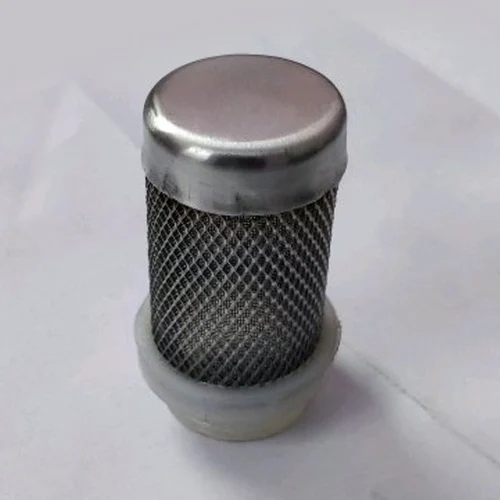
Adhesive filters help capture unwanted particles in compatible adhesive delivery systems before application. Stainless steel filter elements are used in suitable solventless lamination assemblies, with the installation determined by the nozzle and machine design. Choosing a filter requires attention to mesh rating, element dimensions, connection type and adhesive viscosity. The filter must also suit the cleaning method and working conditions. Provide the existing element dimensions and laminator details so the required filtration component can be identified.
Stainless steel doctor blades combine ink-metering performance with corrosion resistance for compatible printing and coating environments. They are especially worth considering where the working chemistry makes material selection a priority. The blade wipes excess ink from the cylinder or anilox surface while the selected edge geometry governs its contact with the roller. Choosing the correct grade, dimensions and profile is essential: stainless steel is not a universal substitute for every blade material. Our quotation starts with your press and operating conditions.
Magnetic ink mixing rollers encourage circulation in compatible ink trays as the press operates. The roller arrangement helps move ink through the tray without a separate electric mixing motor in suitable installations. This makes it a practical component to consider when reviewing ink circulation around a gravure or related printing process. Tray dimensions, roller construction, ink chemistry and the surrounding machine geometry determine compatibility. Share the tray layout and current roller dimensions so the configuration can be matched to your press.
PTFE dam stoppers help contain liquid within the intended working area of compatible coating assemblies. Their shape and seating arrangement are important to forming a suitable barrier at the edge of the application zone. These components should be selected from the machine’s actual geometry and operating conditions. PTFE compatibility must also be checked against the coating chemistry and temperature. Send a drawing, photographs or a sample reference together with the critical dimensions to help identify the required profile.
Static mixers blend flowing materials through a sequence of internal mixing elements, without a separate rotating agitator. In compatible two-component adhesive systems, those elements divide and recombine the streams along the mixer. The selected geometry and number of elements influence mixing and flow resistance. Mixer size, material, component ratio, viscosity and operating flow therefore need to be considered together. Share the existing mixer dimensions and adhesive-system details when requesting a replacement or discussing an alternative.
Stainless steel brushes support controlled cleaning of suitable ceramic anilox surfaces and compatible pressroom components. The bristles provide mechanical assistance when used with an approved cleaner and maintenance method. Brush choice must follow the roller manufacturer’s guidance: excessive pressure or an unsuitable brush can damage a surface. Select the bristle specification, brush size and handle style for the component being cleaned. For anilox applications, confirm both the roller surface and the recommended cleaning procedure before use.
Adhesive filters help capture unwanted particles in compatible adhesive delivery systems before application. Stainless steel filter elements are used in suitable solventless lamination assemblies, with the installation determined by the nozzle and machine design. Choosing a filter requires attention to mesh rating, element dimensions, connection type and adhesive viscosity. The filter must also suit the cleaning method and working conditions. Provide the existing element dimensions and laminator details so the required filtration component can be identified.
Manufacturing at our core. Precision in our purpose.
RSD Print India is a Chennai-based manufacturer of doctor blades and printing solutions. Doctor blades are our principal product and the core of our manufacturing focus. We work with printing and converting businesses to define blade specifications around their press, ink system and application.
Our wider range brings coating tools, mixing components, web handling and maintenance accessories into one coordinated conversation. Tell us what your operation requires.
Doctor blade manufacturingClear ordering specificationsConnected pressroom range
Match the component to the process, the material and the working conditions.
Ink metering
Doctor blades remove surplus ink from the cylinder or anilox surface. Blade material, thickness and edge profile influence selection, together with the ink system, holder and press.
Drawdown tools and coating rods help evaluate film application. Choose around the coating material, substrate, working width and required application method.
Keep compatible inks and adhesives mixed, filtered and delivered through the right components. Confirm viscosity, connections and machine configuration before ordering.
Air-expanding shafts engage the material core during web handling. Shaft dimensions, core size, journal arrangement and operating load must match the machine.
Select cleaning brushes for the roller or cylinder surface and the residue being removed. Confirm the recommended material and cleaning method to protect the working surface.
Manufacturing expertise. Application-focused specifications. A complete approach to your pressroom requirements.
01
Doctor blade manufacturing
Doctor blades are our core product. Discuss your application directly with our team, from blade material and dimensions to edge profile and press compatibility.
02
One connected product range
Bring doctor blades, coating tools, mixing components and maintenance accessories into one sourcing conversation.
03
Clarity before you order
Dimensions, material, compatibility and quantity are defined before quotation, helping you make a more informed purchasing decision.
04
Built around your next print run
Share the requirement that matters to your operation—from a replacement component to a broader pressroom enquiry.
FROM REQUIREMENT TO QUOTATION
From specification to quotation.
A useful quotation starts with understanding the component and how it will be used.
01
Share your requirement
Tell us the product, printing process and machine model. An existing part reference or specification helps narrow the discussion.
02
Define the specification
Confirm dimensions, material, application conditions and quantity. For replacement parts, check the fit and connections against your current component.
03
Review your quotation
Review the proposed product and commercial details with our team before confirming your order.
Have a specification ready?
Include it in your enquiry, or share it with us on WhatsApp.
What information should I share for a doctor blade quotation?
Include blade width and thickness, material or grade, edge profile, cut length or coil requirement, press model, ink system and quantity. If you are replacing an existing blade, share its current specification.
How do I choose between steel, stainless steel and polymer blades?
The choice depends on the press, holder or chamber, roller surface, ink chemistry and operating conditions. Different blade positions can have different requirements. Share your application so the material and profile can be discussed before quotation.
Can I enquire about several products together?
Yes. List the required products, specifications and quantities in one enquiry. Our range covers doctor blades, coating equipment, mixing components, pneumatic shafts and cleaning brushes.
Will the supplied product look exactly like the photograph?
Product images illustrate the range. Confirm the quoted model, dimensions, material and compatibility with our team before placing an order.
LET’S GET TO WORK
Discuss your specifications.
Share your printing process, machine model, dimensions and quantity. We’ll help you take the next step.